


Products
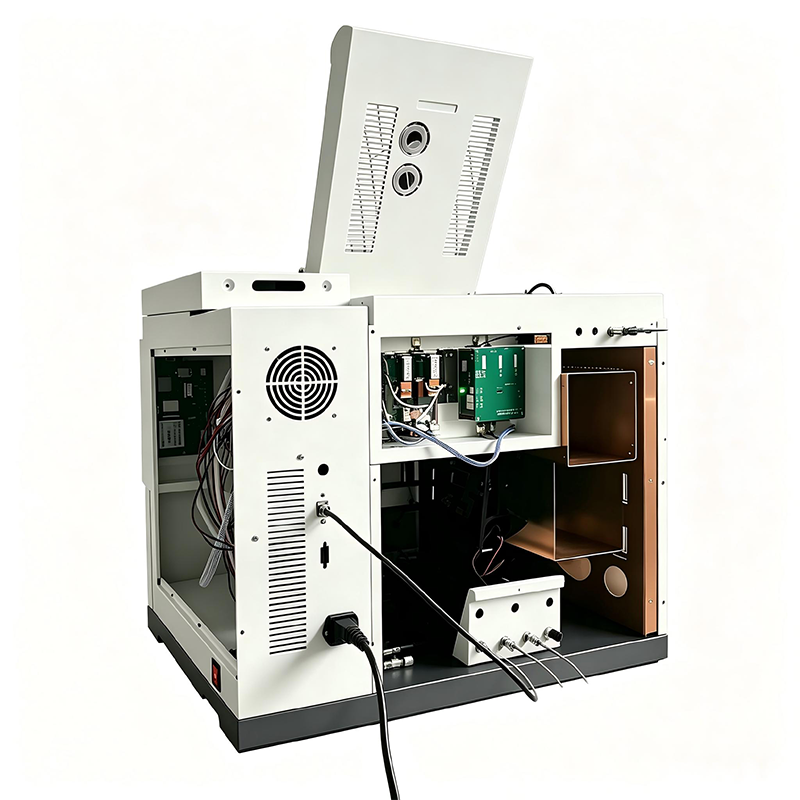
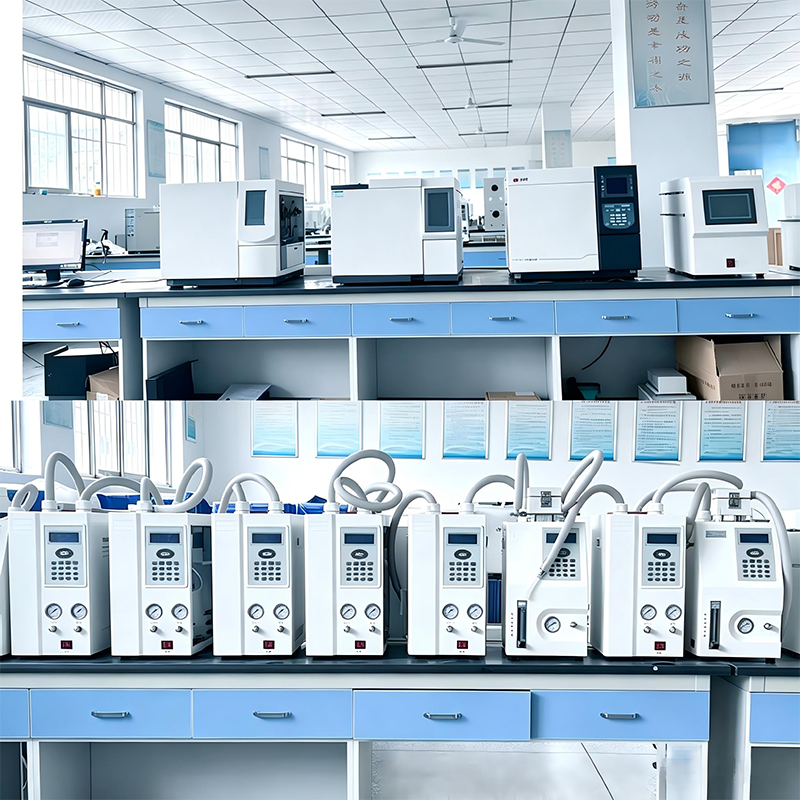


Automatic headspace sampler AHS-6890
Purpose and Applications A headspace sampler is a sample preparation device used in gas chromatography. Compared to other sample preparation methods, such as solvent extraction or thermal desorption, this method is...
Description
marker
Purpose and areas of application
A headspace sampler is a sample preparation device used in gas chromatography. Compared to other sample preparation methods, such as solvent extraction or thermal desorption, this method is simpler and more practical, with higher throughput and better reproducibility of chromatographic results. It is one of the preferred methods for trace analysis in gas chromatography and is widely used in the following fields:
1. Petrochemicals: analysis of volatile organic compounds in monomers, coatings and polymers;
2. Environmental Sciences: analysis of volatile halocarbons in drinking water and toxic volatile organic compounds in industrial wastewater;
3. Sanitation and epidemiology: analysis of residual quantities of fumigants and sterilization agents in medical devices;
4. Food industry: quality control of wines, vinegar, soy sauce; determination of residual acetaldehyde in packaging materials; analysis of residual amounts of extractants (for example, 6# solvent) in oils;
5. Perfumery and cosmetics industry and flavors: analysis of aromatic compounds in beer and tea;
6. Quality control of medicines: analysis of residual organic solvents in pharmaceuticals;
7. Forensic chemistry: determination of ethanol, ketones and aldehydes in blood and urine;
8. Other areas: eg determination of volatile organic compounds in soils.
Operating principle
The operating principle of the AHS-6890 automatic sampler is based on placing the analyzed sample in a hermetically sealed bottle and then heating it. As a result of heating, the volatile components of the sample pass from the sample matrix into the gas phase and reach equilibrium between the liquid (or solid phase) and the gas phase. Then an aliquot of the gas phase is taken from the upper space of the vial and introduced into a gas chromatograph for analysis, which makes it possible to determine the composition and content of volatile components in the sample.
Basic functionality and technical characteristics
3.1 Control and interface
Microprocessor control, liquid crystal display with hieroglyphic indication in Chinese, membrane keyboard, digital input of parameters.
Main functions:
1) Control based on a single-chip microcontroller, keyboard input, display of all parameters and current operating modes on the LCD display.
2) Three-channel independent heating: heating block for vials, sample injection system and transport line (capillary) for sample collection.
3) Three external events, 8-step time program, automatic programmable start capability.
4) Storage and quick recall of up to 9 preset analysis methods for quick launch.
5) Possibility of synchronous launch of a gas chromatograph and a chromatographic workstation, as well as external launch of the device based on an external event.
6) Keyboard silent mode.
7) Adjust the brightness of the LCD display depending on operating conditions.
8) Built-in self-diagnosis of control and display boards with display of faults.
9) Sound notification at the end of the time program.
10) Stopwatch function.
11) The heating line of the transport capillary is supplied with reduced voltage.
3.2 Temperature control range in the area of vials (samples)
From room temperature to 200 °C, step 1 °C.
3.3 Temperature control range of the transport line (capillary)
From room temperature to 160 °C, step 1 °C.
3.4 Temperature control range of the valve inlet system
From room temperature to 160 °C, step 1 °C.
3.5 Temperature accuracy
< ±0.5 °C.
3.6 Temperature gradient
< ±0.5 °C.
3.7 Pressure range for sample injection boost
0~0.4Mpa (stepless adjustment).
3.8 Number of positions for bottles
12.
3.9 Reproducibility (RSD)
< 3% (depending on GC characteristics and assay technique).
3.10 Vial volume (vial)
20ml (it is possible to produce bottles of 10ml, 50ml and other sizes upon request).
3.11 Injection system backflush flow and time
Smooth adjustment.
3.12 Dimensions
200×380×400mm3.
3.13 Device weight
About 20kg.
contact us
Related Popular Products

Light hydrocarbon analyzer QT-3000
Operating principle and purpose The material being tested (drilling fluid, cuttings, etc.) is used...

Gas chromatograph GC-7890 with push-button control
Main features 1. Large format display with the ability to switch between...

JP-72A Fully Automatic Intelligent Headspace Sampler
Product Description JP-72A Fully Automatic Intelligent Sampler for...

Portable chromatograph GC-8890SD for the analysis of gases dissolved in transformer oil
Main features The device is made according to a classic three-detector design and allows...

Portable chromatograph GC-8890SD PLUS for the analysis of gases dissolved in transformer oil
Product description The device is made according to a classic three-detector design and allows...

JP-27A Fully Automatic Intelligent Headspace Sampler
Product Description JP-27A Fully Automatic Intelligent Sampler for...

Hydrogen generator JPH-300E
Description of the device The JPH-300E hydrogen generator consists of an electrolysis cell, a pulse...

Multi-functional automatic sampler for gas chromatograph JP-AS160
Product Description JP-AS160 is a cost-effective automatic sampler...

Device ZRJ-2 for determining the tendency of coal to spontaneous combustion
Product Description The device complies with the requirements of the GB/T 20104-2006 "Method of...

Single pump system
Main Features Features of High Pressure Constant Flow Pump: Automatic...

723N Visible Spectrophotometer
Description of the device This device is a cost-effective analytical spectrophoto...

CS996 Infrared Carbon and Sulfur Analyzer
Description of the device Infrared carbon and sulfur analyzer model CS996 complete with...

Nitrogen, hydrogen and air generator JP-300E
Description of the device This device is a combined installation, combining...

Two-stage thermal desorber JP-50
Product Description Number of test tube positions: 50 JP-50 is...

Portable chromatograph for firedamp analysis of Shandong Jinpu Company
Product Description Portable firedamp chromatograph is the latest...

JP-301Q Fully Automatic Chromatograph for Analyzing Gases Dissolved in Transformer Oil
Product Description JP-301Q is an intelligent system that integrates...


