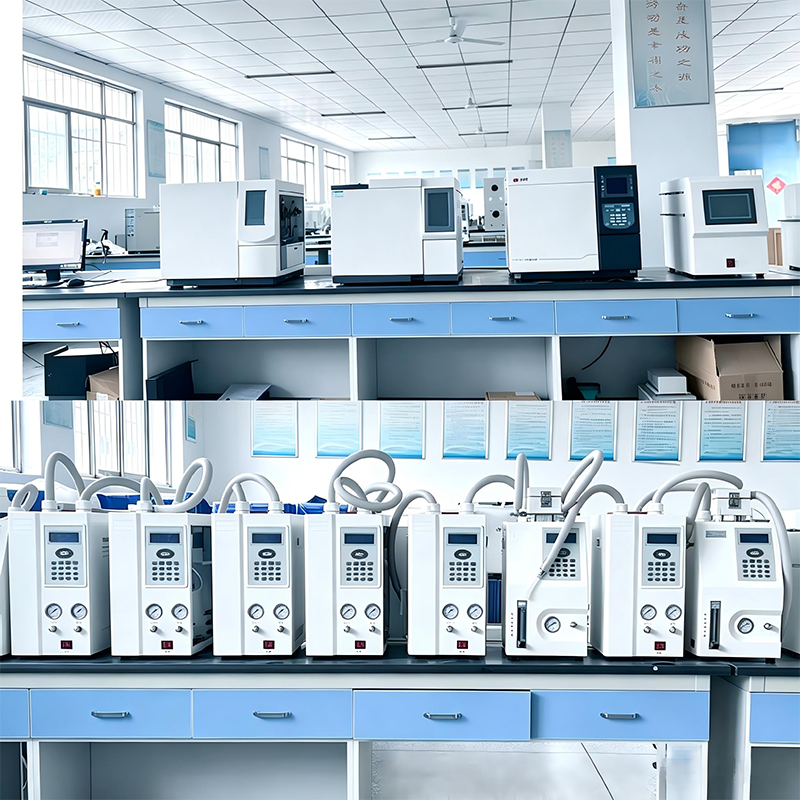
Gas chromatograph applications are constantly expanding, coverage continues to grow
2026-08-25
From chemical detection to complex materials analysis, accurate analytical solutions for many industries
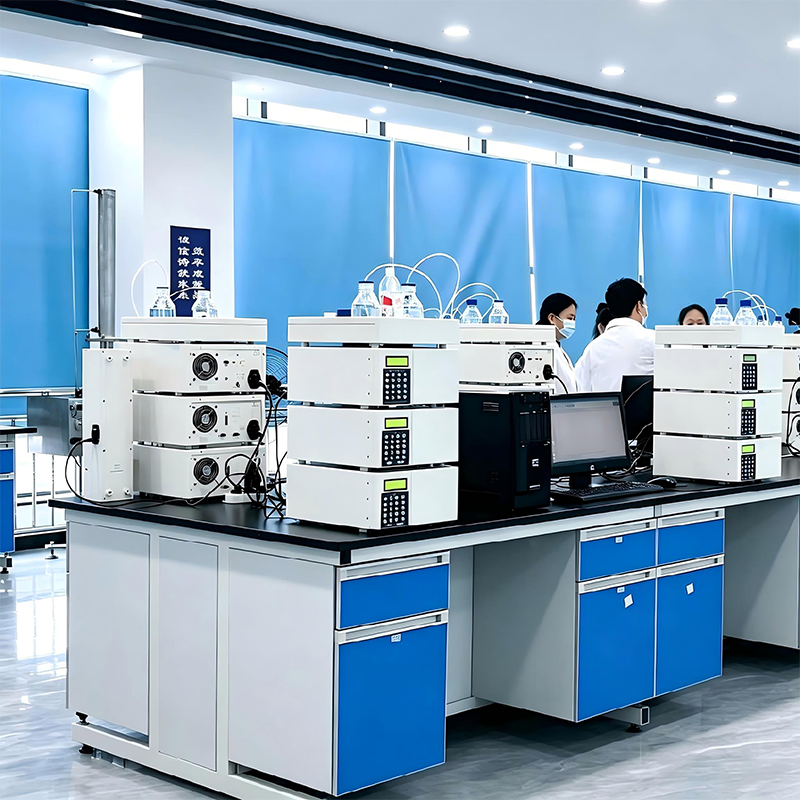
With the ever-increasing demands of modern industry, research and quality control, the requirements for accuracy, sensitivity and efficiency of composition analysis are increasing. As an important analytical equipment for separation and detection, Gas Chromatograph (GC), with its high resolution, high sensitivity and rapid analysis capabilities, has already been widely applied in petrochemicals, food safety, environmental protection, pharmaceutical research and development, new materials research and many other fields, becoming an important tool for the qualitative analysis and quantitative determination of complex mixtures in laboratories.
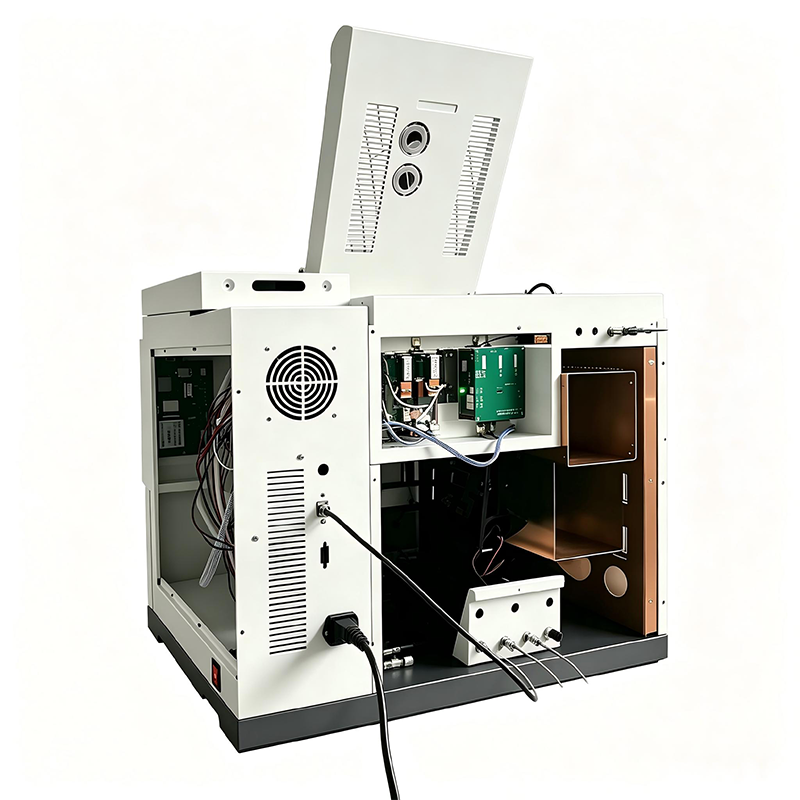
Gas chromatograph is mainly used for the analysis of organic compounds that are volatile and have sufficient thermal stability, as well as some inorganic compounds. Separation of multicomponent substances is achieved by differential retention of the components in the chromatography column, after which the target components are accurately identified and quantified using various types of detectors. Currently, gas chromatography can cover a wide range of tasks - from the analysis of common chemicals to complex industrial samples.
In the petroleum and chemical industries, gas chromatograph is an important equipment for product quality control and production process analysis. It can be used to determine the hydrocarbon composition of petroleum products such as gasoline, diesel fuel, aviation kerosene, lubricating oils, natural gas, liquefied gas, including alkanes, olefins, aromatic hydrocarbons and volatile organic compounds. It also analyzes solvents, monomers, additives and reaction by-products in chemical feedstocks, providing reliable information support for optimizing production processes and improving product performance.
In the field of environmental monitoring, gas chromatograph is widely used to analyze pollutants in air, water and soil. For example, it can detect volatile organic compounds (VOCs), benzene and its derivatives, halocarbons, pesticide residues, polycyclic aromatic hydrocarbons and other pollutants, which are of great importance for assessing environmental quality, tracking pollution sources and protecting ecosystems. Equipped with highly sensitive detectors, the gas chromatograph can accurately detect trace amounts of pollutants and meet stringent environmental regulations.
In the field of food safety and agricultural control, gas chromatograph is used to analyze aroma components, fatty acid composition, pesticide residues, food additives and harmful volatile substances. For example, flavors and chemical components in fruits, beverages, vegetable oils, alcoholic beverages, and dairy products can be analyzed by gas chromatography. In addition, when monitoring agricultural products, a gas chromatograph can effectively determine the residues of organophosphorus and organochlorine pesticides, ensuring food quality and consumer safety.
In pharmaceuticals, biology and scientific research, gas chromatographs are used to analyze medicinal raw materials, intermediates, residual solvents and volatile components. In addition, in the study of natural products, it can analyze complex samples such as plant essential oils, fragrant compounds and volatile metabolites, providing a scientific basis for the development of new drugs and biological research.
In materials science, the gas chromatograph also plays an important role. It can analyze volatile organic compounds (VOCs), residual monomers, plasticizers and thermal decomposition products in materials such as plastics, rubber, paints, adhesives and polymers. The pyrolytic gas chromatography method also allows for structural analysis of high-molecular materials, helping researchers study the composition of materials, aging mechanisms and changes in their properties.
In addition, gas chromatograph is widely used in the production of flavors and perfumes and cosmetics, electronics industry, energy, and also in forensic examination. For example, in the flavor industry, it can analyze hundreds of volatile aroma compounds; in the electronics industry - determine residues of organic solvents used in production processes; in forensics - analyze highly volatile chemicals, providing technical support for related research.
With the advancement of automatic sample injection technologies, intelligent control, networked control and high-performance detectors, next-generation gas chromatographs are becoming increasingly intelligent, efficient and automated. In the future, gas chromatography will play an even more significant role in the analysis of more complex samples, online monitoring and applications in smart laboratories.
Gas chromatograph is not only a laboratory analysis tool, but also a key technology platform linking scientific innovation with industrial development. Through accurate analysis of the composition of various substances and materials, it continuously contributes to the transition of industries to higher quality, safety and environmental friendliness.